
1. Introduction
1.1. Brief overview of how technology is evolving.
In today’s fast-paced world, technology is at an unprecedented rate. From smartphones to artificial intelligence, every day brings new innovations that reshape our lives and the way we work. This rapid evolution has led to an explosion of data, creating a critical need for individuals who can make sense of it all.
1.2. Introduction to data science and its importance in the modern era.
Data science has emerged as a key player in this technological landscape, combining various fields such as statistics, computer science, and domain expertise to extract insights from data. In a world where informed decisions are paramount, data science is at the forefront, driving strategies in businesses and organizations across the globe.
1.3. Statement: Why data science is a future-proof career choice.
With the growing reliance on data-driven decisions, a career in data science stands out as a future-proof choice. Whether it’s healthcare, finance, or entertainment, every industry needs skilled data professionals who can analyze data and provide actionable insights.
2. What is Data Science?
2.1. Definition of data science as a multidisciplinary field.
Data science is a multidisciplinary field that focuses on extracting knowledge and insights from structured and unstructured data. It combines theories and methodologies from various areas including statistics, mathematics, and computer science.
2.2. The role of data scientists in transforming raw data into actionable insights.
Data scientists play a crucial role in transforming raw data into meaningful insights that can drive decision-making. By leveraging various techniques, they can uncover patterns, predict trends, and even automate processes to enhance efficiency.
2.3. Core components of data science:
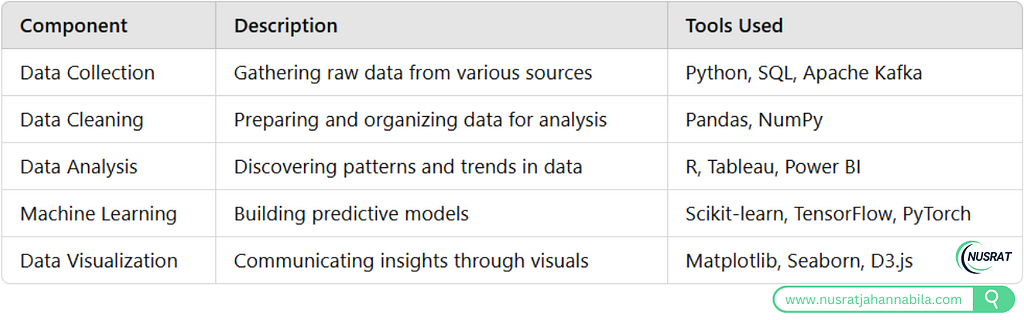
Understanding these components helps to highlight the complexity and the integrative nature of the field, as data professionals must be adept at multiple stages of the data lifecycle.
2.4. Tools and technologies used in data science (e.g., Python, R, SQL, Tableau).
To navigate through these components, data scientists utilize a variety of tools and technologies. Some of the most common include:
- Python: A versatile programming language used for data analysis and machine learning.
- R: Optimal for statistical analysis and data visualization.
- SQL: Essential for database management.
- Tableau: Helps in creating interactive visualizations and dashboards.
3. The Growing Demand for Data Scientists
3.1. Increasing data production: Big data and the explosion of information.
Every second, we are generating an immense amount of data. From social media interactions and financial transactions to sensor data from IoT devices, the explosion of information has created a unique challenge — how to effectively analyze it.
3.2. Real-world examples of data science applications in industries.
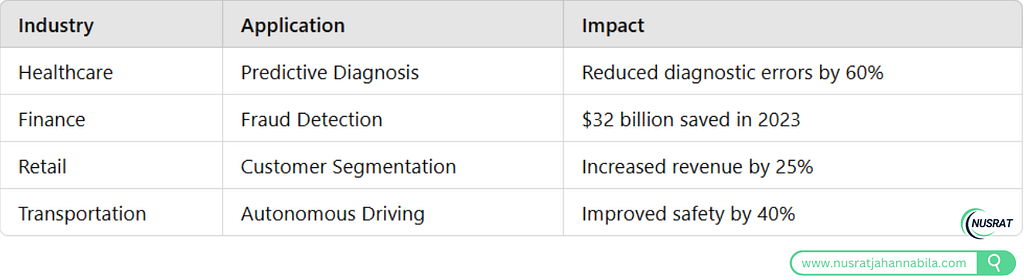
Data science is making waves across various sectors. For instance, in healthcare, patient records are analyzed to improve diagnosis; in retail, customer preferences help personalize shopping experiences; and in finance, algorithms assess risks and detect fraudulent activities.
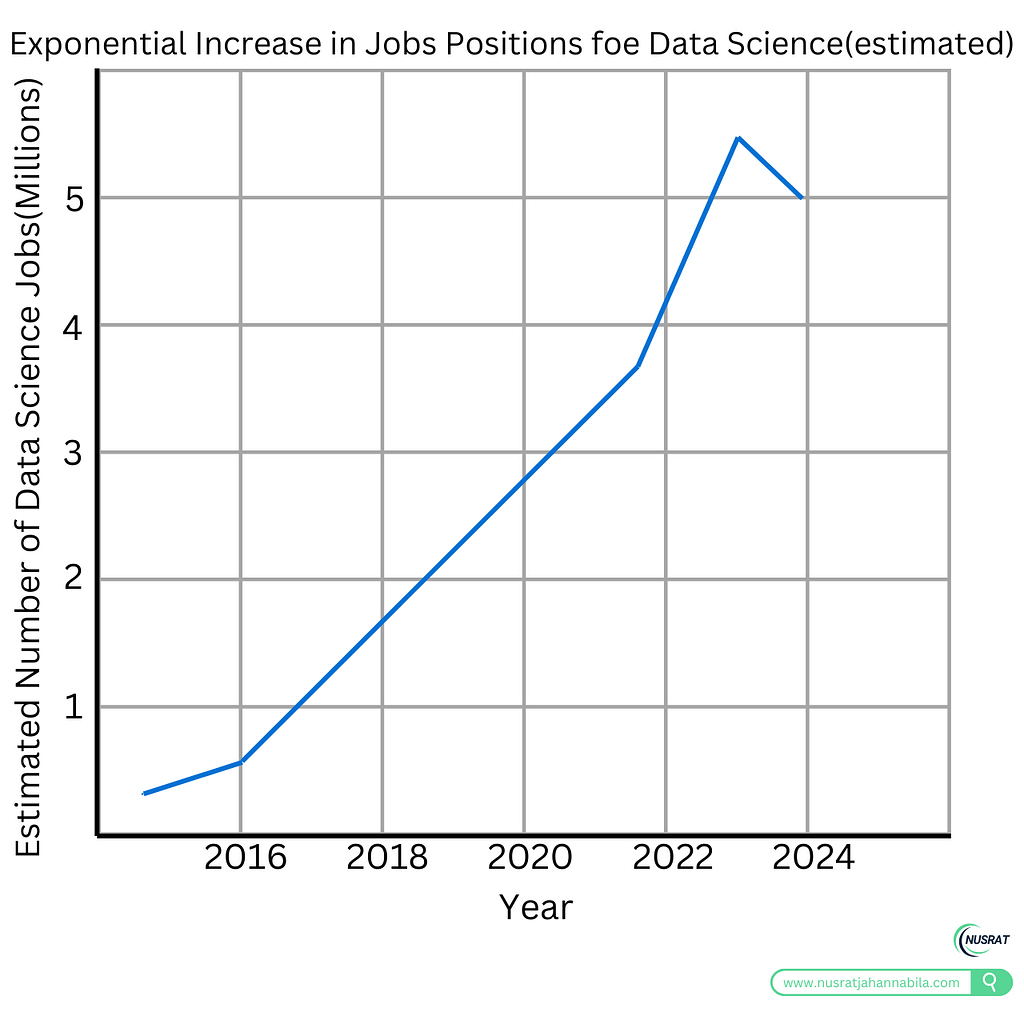
3.3. Key statistics about job demand and growth rates:
- Global demand for data science roles: The demand for data scientists is expected to continue growing significantly, with many companies reporting difficulties in finding skilled professionals.
- Comparison of salaries for data scientists vs. other IT professionals: Data scientists consistently earn higher salaries compared to other IT roles, often due to the specialized skills required.
Key Statistics
- Jobs in Demand: LinkedIn’s 2024 Jobs Report shows that “Data Scientist” is among the top emerging roles globally.
- Salary Insights: The average salary for a data scientist in the U.S. is $120,000 per year, with top-tier professionals earning upwards of $200,000.
3.4. Geographic hotspots for data science careers (e.g., Silicon Valley, Bangalore, London).
Certain cities around the world have emerged as hotspots for data science careers. Areas like Silicon Valley, Bangalore, and London are known for their tech ecosystems, offering abundant opportunities for data professionals.
4. Why Data Science is the Career of the Future
4.1. Big data as the new oil: Why every company needs data scientists.
Just as oil revolutionized industries in the past, big data is transforming the business landscape today. Companies are realizing that the insights buried in their data can provide them with a competitive edge.
4.2. Integration of AI and machine learning into everyday life.

As AI and machine learning become increasingly integrated into our daily experiences — from recommendation systems on streaming platforms to virtual assistants — data scientists are vital in refining these technologies.
4.3. Automation of traditional jobs and the rise of data-related roles.
With traditional jobs evolving or becoming automated, roles related to data management and analysis are on the rise, making data science a secure career option.
4.4. Data-driven decision-making in organizations.
Organizations today rely heavily on data to make informed decisions, improving their operations, strategies, and ultimately their bottom line. This trend shows no sign of slowing down.
4.5. What is Data-Driven Decision Making (DDDM)?
What is Data-Driven Decision Making (DDDM)?
4.6. The continuous evolution of tools and technologies in data science.
The tools and technologies in the data science field are continuously evolving. Staying informed about these changes ensures that professionals remain relevant and capable of leveraging the latest advancements.
5. Industries Transforming Through Data Science
5.1. Healthcare
- Predictive analytics for patient care and disease diagnosis: Using historical data to foresee health issues, ultimately leading to better patient outcomes.
- Drug discovery using machine learning models: Accelerating the process of finding new medications by analyzing vast datasets.
5.2. Finance
- Fraud detection through anomaly detection algorithms: Identifying unusual patterns in transactions to prevent fraud.
- Risk assessment and algorithmic trading: Leveraging algorithms to automatically execute trades based on defined risk criteria.
5.3. Retail
- Personalized marketing and recommendation engines: Tailoring promotions to individual customers based on their purchasing behavior.
- Inventory management using predictive modeling: Forecasting demand to optimize inventory levels.
5.4. Transportation
- Route optimization and logistics planning: Using data analytics to determine the most efficient delivery routes.
- Autonomous vehicles powered by AI and data science: Leveraging data to enable self-driving technology.
5.5. Entertainment
- Content recommendation systems (e.g., Netflix, Spotify): Analyzing user preferences to suggest personalized entertainment options.
- Audience sentiment analysis: Understanding audience reactions to tailor content accordingly.
6. Key Skills Required for a Data Science Career
6.1. Technical Skills
- Programming languages (Python, R)
- Data analysis and visualization tools (Pandas, Matplotlib, Tableau)
- Machine learning frameworks (TensorFlow, Scikit-learn)
- Database management (SQL, MongoDB)
- Cloud computing (AWS, Google Cloud)
Technical skills are essential in navigating the vast landscape of data science.
6.2. Soft Skills
- Problem-solving: The ability to tackle complex challenges is invaluable.
- Communication skills to explain findings to non-technical stakeholders: Data scientists need to convey complex ideas in simpler terms.
- Critical and analytical thinking: Essential for making informed decisions based on data.
6.3. Importance of continuous learning and staying updated with new trends.
The data science field is ever-evolving, making continuous learning a vital aspect of staying competitive.
7. Roadmap to Becoming a Data Scientist
7.1. Educational pathways: Degree programs, bootcamps, and self-learning.
Pursuing a degree in data science or related fields is common, but bootcamps and self-learning are also viable paths for entering the field.
7.2. Recommended courses and certifications (e.g., Coursera, edX, Google).
Many online platforms provide excellent courses and certifications that can help prospective data scientists build their skills.
7.3. Building a portfolio: Projects to showcase your skills.
Working on practical projects and showcasing them in a portfolio demonstrates your abilities and can impress potential employers.
7.4. Networking: Joining data science communities and forums.
Engaging with communities can provide support, motivation, and crucial connections within the industry.
7.5. Tips for landing your first data science job:
- Resume building: Highlight relevant skills and experiences effectively.
- Preparing for technical interviews: Familiarize yourself with the types of questions you may face.
8. Challenges in Data Science
8.1. Handling large datasets and ensuring data quality.
Working with massive datasets can be overwhelming and requires conscientious methods to ensure data quality.
8.2. Dealing with algorithmic bias and ethical considerations.
As data science grows, so does the need to address potential biases in algorithms and the ethical implications of data usage.
8.3. Balancing technical expertise with domain knowledge.
Being technically proficient is crucial, but understanding the specific industry you work in is equally important for making informed insights.
9. The Future of Data Science
9.1. Trends shaping the future of data science:
- Real-time data analytics: The need for immediate insights is increasing.
- Edge computing and IoT: Data is being processed closer to where it is generated.
- Explainable AI (XAI): Understanding how AI makes decisions is becoming critical.
9.2. Predictions for the next decade: Growth in data-centric roles.
Experts predict that data-centric roles will continue to expand significantly over the next decade as reliance on data grows.
9.3. Why data science is resilient to automation and outsourcing.
While automation is changing many fields, data science remains essential as it requires human intuition and decision-making.
10. Benefits of Choosing a Career in Data Science
10.1. High demand and lucrative salaries.
Data scientists are among the most sought-after professionals and can expect attractive salaries.
10.2. Diverse applications across multiple industries.
With skills in data science, you can work in varied sectors, each offering unique challenges and opportunities.
10.3. Opportunities for innovation and problem-solving.
Data science roles are often at the cutting edge, allowing professionals to drive innovation.
10.4. Flexibility and opportunities for remote work.
Many data science roles can be performed remotely, offering a good work-life balance.
11. Frequently Asked Questions
11.1. Is data science hard to learn?
While data science can be challenging, especially at the beginning, with dedication and practice, it’s definitely attainable.
11.2. Do I need a degree to become a data scientist?
A degree can be beneficial, but many successful data scientists come from diverse educational backgrounds and learn through experience.
11.3. How do I know if data science is the right career for me?
Consider your interest in data, problem-solving, and working with technology. If these excite you, data science may be a great fit.
12. Conclusion
12.1. Summary of why data science is the career of the future.
Given the pivotal role it plays across industries, the increasing reliance on data for decision-making, and the ongoing demand for skilled professionals, data science is undoubtedly a future-focused career.
12.2. Encouragement to start your data science journey today.
Whether through formal education, online courses, or self-study, the journey into data science is rewarding and accessible.
12.3. Final thought: Embrace the opportunities that data science brings.
The world is brimming with data and endless opportunities await those ready to step into this dynamic field.